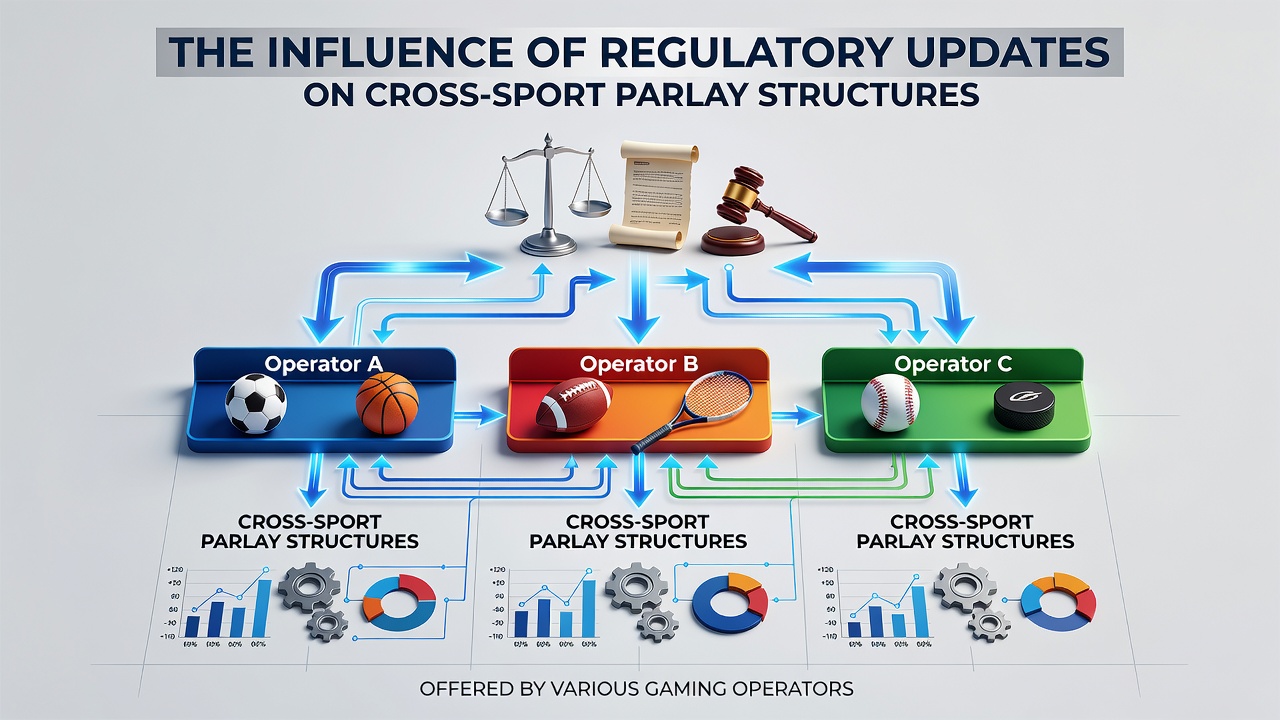
The Influence of Regulatory Updates on Cross-Sport Parlay Structures Offered by Various Gaming Operators
Regulatory updates across multiple jurisdictions have reshaped how gaming operators construct and present cross-sport parlay structures, which combine wagers from football, tennis, horse racing, and other events into single bets with compounded odds. Data from industry reports indicate that these changes often focus on consumer protection measures, advertising standards, and restrictions on complex betting products that span different sports. Operators must now navigate varying rules that affect payout calculations, bet eligibility, and promotional pairings while maintaining compliance in each market they serve.
Key Regulatory Shifts in 2026
By August 2026 several jurisdictions implemented revised frameworks that directly impact multi-leg offerings across sports. European regulators introduced tighter guidelines on product approval processes for parlays that mix in-play and pre-match selections, requiring operators to demonstrate risk assessments for each combination type. In North America state-level commissions updated rules on accumulator caps, limiting the maximum odds multiplier when bets involve disparate events such as a tennis set outcome paired with a horse racing place finish. Australian authorities enforced new disclosure requirements that force operators to itemize each leg of a cross-sport parlay separately in customer interfaces, a change that altered how platforms display potential returns.
Research from the European Gaming and Betting Association shows that these adjustments stemmed from data on player behavior patterns collected between 2023 and 2025. The figures reveal higher dispute rates around cross-sport products compared to single-sport accumulators, prompting calls for clearer terms on voided legs and settlement timing. Gaming operators responded by redesigning their parlay builders to include automated compliance checks that flag restricted combinations before a bet is placed.
Adjustments by Major Operators
Operators in regulated markets adapted their cross-sport structures through several practical measures. Some introduced modular parlay options that let users select legs only from pre-approved sport categories, reducing the chance of violating jurisdiction-specific prohibitions. Others added mandatory responsible gambling prompts that appear when a cross-sport ticket exceeds certain stake or odds thresholds, a direct response to updated licensing conditions in multiple regions.
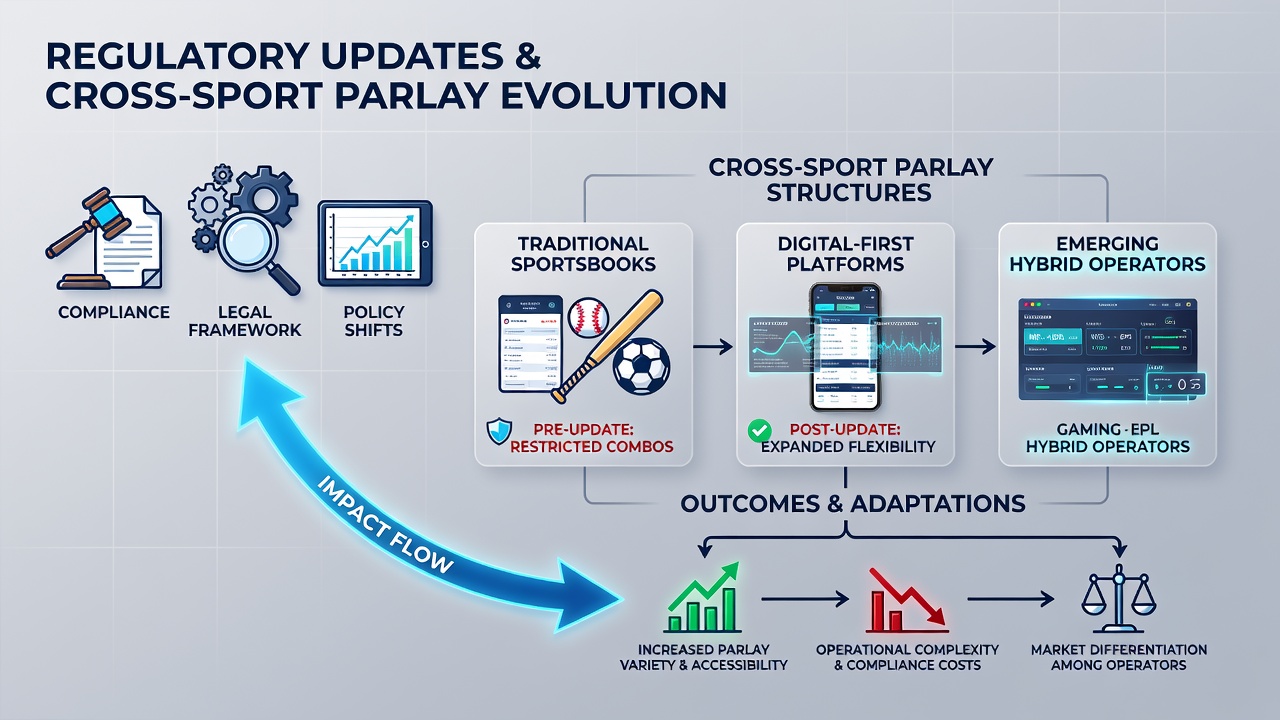
Canadian provincial regulators, for instance, required operators to separate bonus funds from cross-sport parlay stakes in customer accounts, a rule that changed how welcome offers integrate with accumulator plays. Similar requirements appeared in parts of Asia-Pacific where authorities mandated real-time reporting on parlay settlement volumes to monitor potential problem gambling indicators. Those who've examined operator filings note that companies now maintain separate product teams for each regulatory zone to ensure local rules are reflected in the parlay menu available to users in that area.
Impact on Product Design and Availability
The new rules have led to noticeable differences in the cross-sport parlay menus offered by the same operator across borders. In markets with stricter oversight, platforms limit combinations involving live tennis tiebreaks paired with football halftime results, while in less restrictive zones the same operator may still allow those pairings. Industry data collected by the National Council on Problem Gambling indicates that such regional variations increased the use of geo-fencing technology to enforce these boundaries automatically.
Operators also revised their terms around dead heats, retirements, and abandoned events when those occur within a cross-sport ticket. Updated settlement protocols now require explicit customer agreement to alternative settlement methods before the parlay can be confirmed, a step introduced after regulatory reviews highlighted confusion in previous systems. This procedural change lengthened the bet placement flow but reduced post-event disputes according to operator compliance reports.
Future Outlook for Cross-Sport Offerings
Further regulatory developments scheduled for late 2026 and 2027 are expected to focus on data sharing between operators and oversight bodies regarding cross-sport product performance. Proposals under discussion include standardized risk categorization for multi-sport parlays and potential restrictions on promotional boosts tied exclusively to these bets. Gaming associations in several regions have begun publishing guidance documents that outline best practices for maintaining compliant structures while preserving product appeal.
Those monitoring licensing applications observe that new entrants must now submit detailed parlay product specifications as part of their initial approval process, a requirement that was less uniform before 2025. Existing operators continue to refine their systems to accommodate these evolving standards without disrupting service continuity for customers in multiple jurisdictions.
Conclusion
Regulatory updates through August 2026 have produced measurable shifts in the design, availability, and presentation of cross-sport parlay structures across the gaming sector. Operators have responded with technical adaptations, regional customization, and enhanced compliance protocols that reflect the specific requirements of each market. Ongoing data collection and reporting obligations suggest that further refinements will continue as regulators and operators work within the updated frameworks.