2 Jul 2026
Charting synchronization hurdles between app alerts adn shifting market values during extended athletic contests
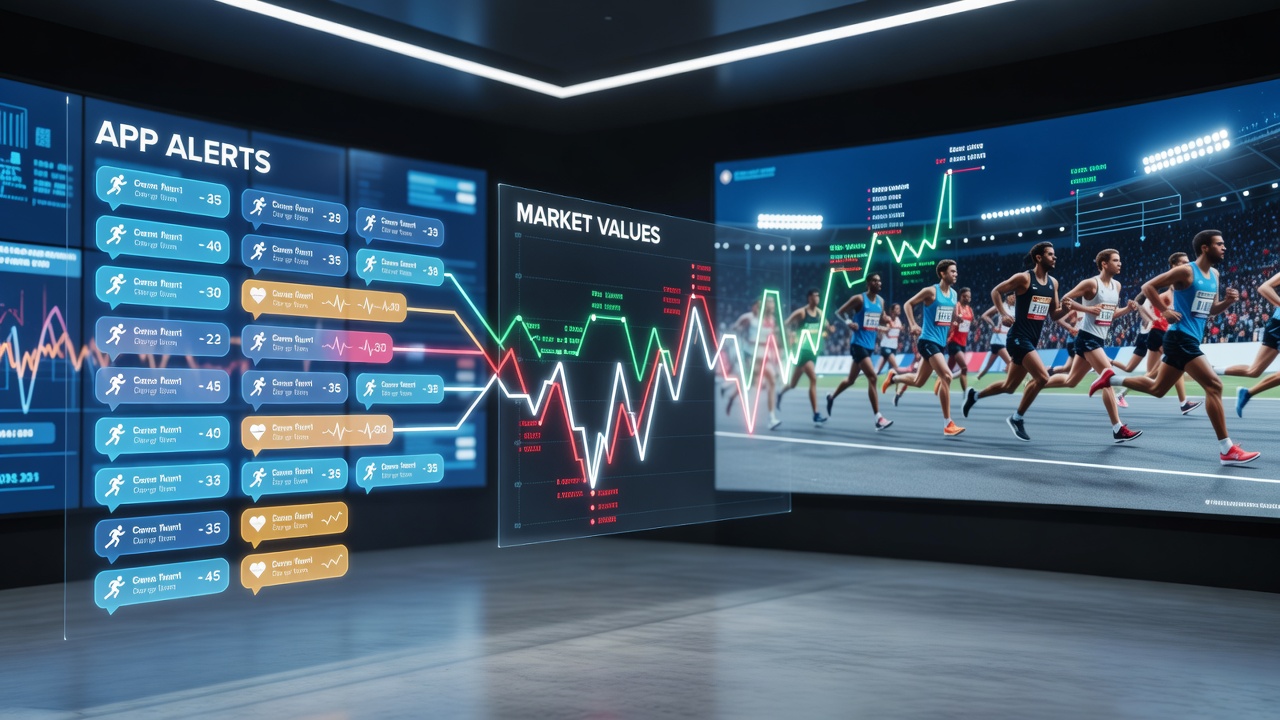
Extended athletic contests create unique demands on digital systems that track and distribute live market values through mobile applications, where alerts often lag behind rapid price adjustments on betting platforms and exchange services. These synchronization issues arise because long-duration events such as multi-day cricket tests, grand slam tennis matches, and endurance cycling stages generate continuous data streams that strain both network infrastructure and application architectures.
Core Technical Barriers in Data Flow
Market values shift in response to in-event developments like player fatigue, weather changes, or scoring sequences, yet app alerts depend on polling intervals and push notification gateways that introduce measurable delays. Research from the Canadian Radio-television and Telecommunications Commission indicates that average latency in mobile data transmission during peak usage periods reaches 800 milliseconds in urban areas, while rural connectivity can extend that window beyond two seconds. Such gaps mean users receive notifications about odds movements after those values have already stabilized or reversed.
Application developers face additional constraints from operating system restrictions on background processes, which limit how frequently apps can refresh data without draining device batteries or triggering user permissions. And when events stretch across several hours or days, cumulative drift between the central pricing engine and the end-user device becomes pronounced, because each refresh cycle compounds small timing discrepancies into larger offsets.
Network and Infrastructure Influences
Stadium and arena environments compound these problems through localized network congestion, where thousands of simultaneous connections compete for bandwidth during key moments. Data from the Australian Communications and Media Authority shows that event-day mobile traffic volumes in major venues can surge by 400 percent compared with baseline levels, directly affecting the delivery speed of time-sensitive alerts. While content delivery networks attempt to mitigate this through edge caching, market value feeds require real-time synchronization that cached data cannot reliably support.
Operators have observed that 5G rollouts reduce some latency layers, but adoption remains uneven across regions hosting extended athletic contests. In July 2026 several international tournaments will test upgraded infrastructure in host cities, yet preliminary modeling suggests that even advanced networks will still encounter packet loss during simultaneous mass usage spikes.
Impact on User Decision Timing
Participants relying on alerts for market positioning find that delayed notifications reduce the window for effective responses, particularly in contests where value emerges during prolonged middle phases rather than discrete scoring events. One documented pattern involves tennis matches extending into fifth sets, where set-by-set market recalibrations occur faster than many apps can propagate updates across all connected devices. Observers note that this timing mismatch affects both recreational users and professional syndicates that monitor multiple markets concurrently.
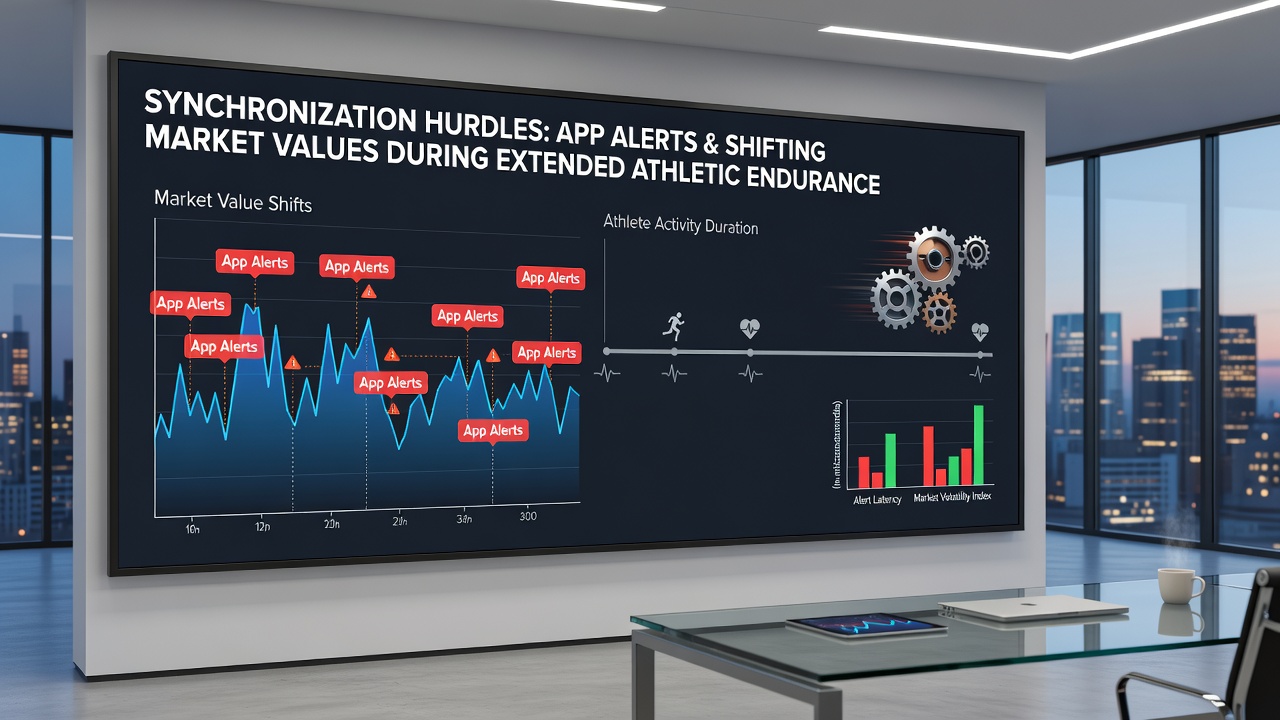
Systems that incorporate WebSocket connections for continuous data streams demonstrate better alignment than traditional HTTP polling methods, yet implementation varies widely among operators. Those platforms that maintain persistent connections still contend with device-level interruptions from operating system power management and intermittent signal loss, creating further desynchronization points.
Regulatory and Operational Considerations
Industry guidelines from the European Gaming and Betting Association emphasize transparency requirements around update frequencies, but enforcement focuses more on payout accuracy than on notification timing. This leaves synchronization performance as an operational metric rather than a regulated standard, allowing variation between providers that users must navigate individually. In extended events, where market volatility persists over many hours, the absence of standardized latency benchmarks means participants cannot reliably predict alert reliability.
Developers continue to experiment with predictive prefetching algorithms that anticipate likely market movements based on historical patterns within specific contest types, although accuracy depends on the uniqueness of each athletic scenario. These approaches reduce some observable delays without eliminating root causes tied to underlying transport protocols.
Conclusion
Synchronization hurdles between app alerts and shifting market values during extended athletic contests stem from layered technical, infrastructural, and operational factors that persist despite incremental network improvements. Data transmission latencies, device constraints, and venue-specific congestion collectively determine how closely notifications track live pricing engines. As major events in July 2026 approach, continued monitoring of these dynamics will inform whether emerging technologies narrow the gap or whether fundamental architectural changes become necessary to achieve tighter alignment.